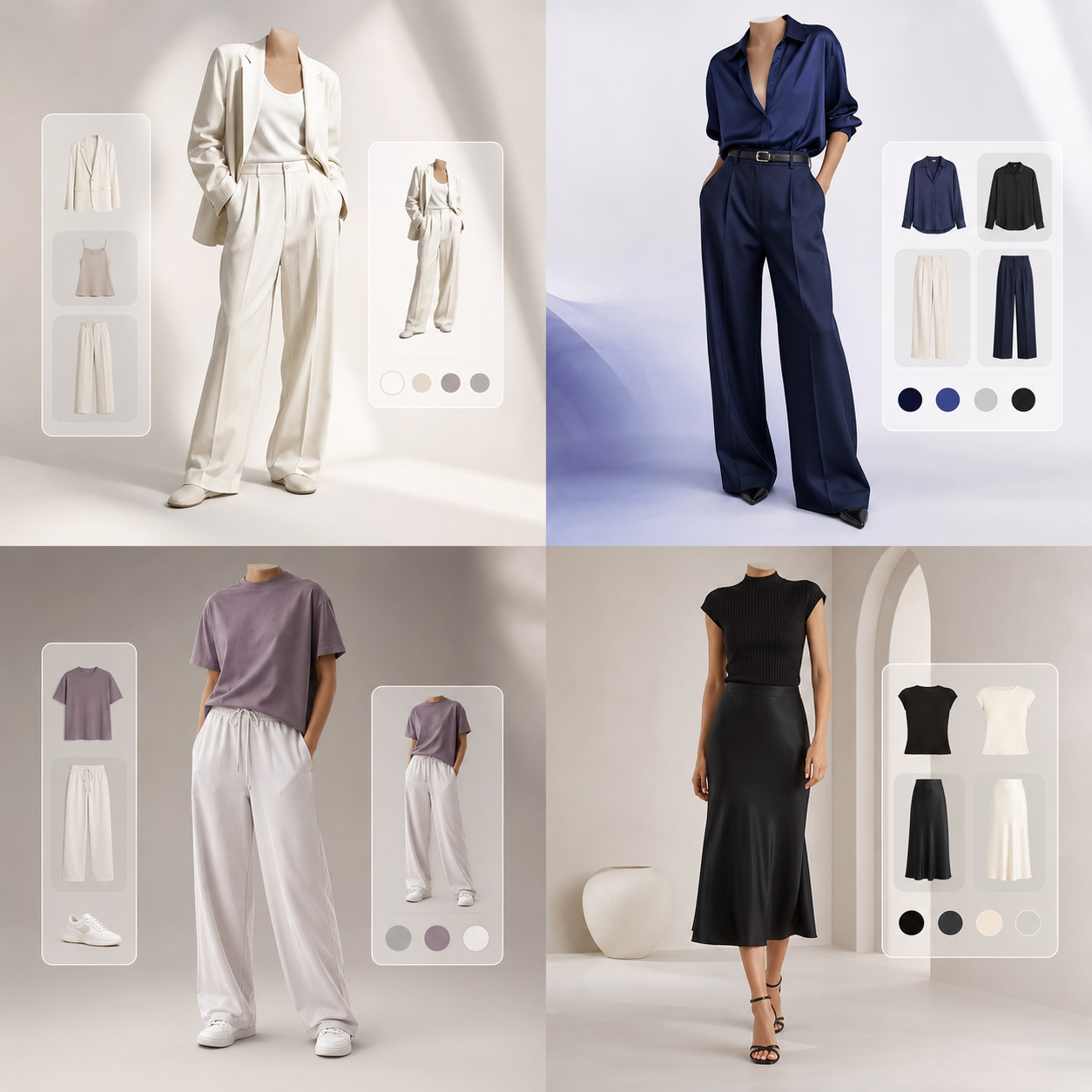
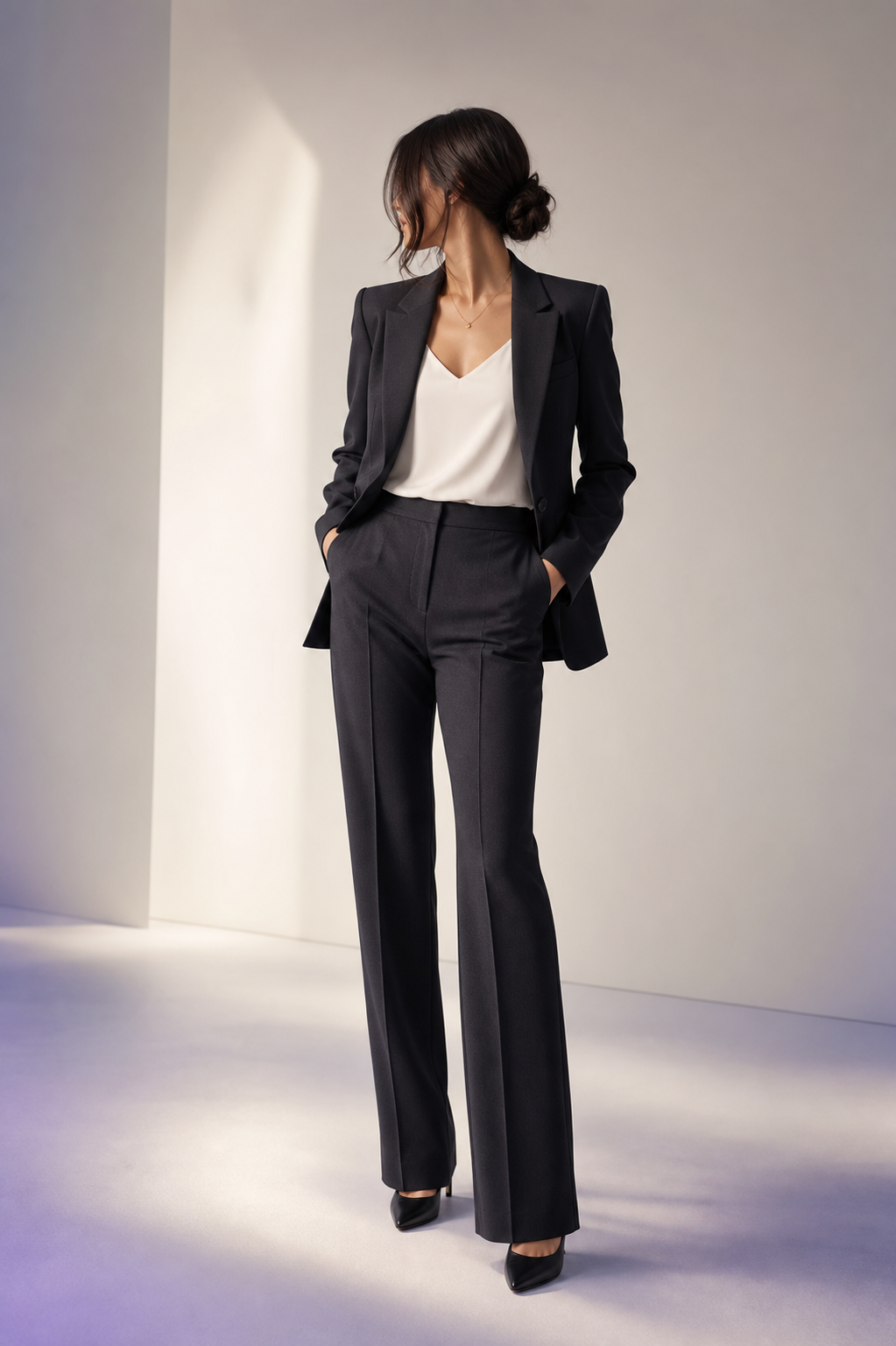

What Is AI Virtual Try-On and Why Does It Matter?
Artificial Intelligence Virtual Try-On (often abbreviated as AI VTO) represents one of the most significant technological leaps in retail since the inception of online shopping. Traditionally, ecommerce shifted the checkout counter from physical storefronts to digital browsers. However, one element remained stubbornly analog: the dressing room. Customers were left to look at idealized studio model photos and guess how a garment would look on their unique height, body type, and skin tone.
AI Virtual Try-On changes this paradigm completely. By leveraging deep generative neural networks—specifically Diffusion Models and Generative Adversarial Networks (GANs)—the technology analyzes a flat garment image and a photo of a user, then synthetically constructs a photo-realistic visualization of the user wearing that exact item. It goes beyond simple overlay or sticker-like filters; it understands body posture, fabric elasticity, lighting conditions, and shadow distribution to simulate a realistic drape.
This technology matters because it directly addresses the number-one pain point in fashion ecommerce: fitting uncertainty. By allowing shoppers to see clothes on themselves before buying, we bridge the gap between imagination and reality. This results in greater consumer satisfaction, reduced return logistics costs for merchants, and a cleaner environment through reduced carbon emissions from return transport.
How AI Virtual Try-On Works Under the Hood
To understand how an AI virtual fitting room works, it helps to break the technical pipeline down into three distinct phases: image parsing, warping, and blending.
1. Image Parsing and Body Segmentation: When you upload your reference photo, the AI model runs a semantic segmentation process. It detects body keypoints, posture, skin, hair, and existing clothing. It creates a digital map of your pose and structure. Simultaneously, the clothing image is parsed to separate the garment from its background, cataloging details like sleeves, collar shapes, textures, and prints.
2. Geometric Garment Warping: The parsed clothing item must be deformed to match your body shape and pose. The AI computes a transformation grid, warping the fabric boundaries so that a medium-sized shirt fits naturally over a user’s shoulders, chest, and arms. This warping process respects the physics of fabrics, ensuring that stiff denim bends differently than fluid silk or structured cotton.
3. Texture and Shading Blending: The final step uses generative models to merge the warped clothing with the user’s photo. The AI harmonizes colors, handles lighting angles, and draws realistic shadows along the folds of the fabric and where the fabric meets the skin. The result is a seamless image that looks like a real photograph taken in a studio.
Key Benefits of Using Virtual Fitting Rooms
Implementing AI fitting technology provides transformational benefits across both the consumer experience and retail business models.
For shoppers, the primary benefit is online shopping confidence. Instead of scrolling through sizing charts and review sections trying to figure out if a shirt runs large, users can immediately see the answer. It also acts as an inspiration tool, encouraging users to experiment with bold styles, colors, and layering combinations that they might otherwise avoid due to fear of hassle.
For fashion brands and online marketplaces, the benefits are clear on the balance sheet. First, it increases conversion rates. When shoppers can visualize a garment on themselves, they are much more likely to complete the purchase. Second, it slashes return rates. Fit and sizing issues account for up to 70% of all apparel returns; reducing these returns directly increases profit margins and reduces warehousing overhead.
Additionally, there is a massive sustainability advantage. By reducing the frequency of back-and-forth shipping for returns, virtual try-ons lower the overall carbon footprint of ecommerce fulfillment. It also helps brands optimize inventory, as they can test demand for designs using virtual catalogs before committing to manufacturing.
AI Try-On vs. Traditional Shopping: A Side-by-Side Comparison
To appreciate the convenience of AI-driven fitting, it is useful to compare it to the conventional shopping paths we have used for decades.
In traditional brick-and-mortar shopping, you get the absolute guarantee of touch and fit. However, it requires traveling to a physical store, browsing limited local inventory, standing in long lines for dressing rooms, and dealing with pushy sales tactics. It is highly time-consuming and restricted by operating hours.
Traditional online shopping solved the convenience issue, allowing access to millions of products 24/7 from the comfort of your home. But it introduced the "blind buy" problem. Shoppers must order multiple sizes, wait days for delivery, try them on at home, pack up the unwanted items, and drop them off at a return counter—tying up credit card balances in the process.
AI Virtual Try-On combines the convenience of online browsing with the visual feedback of the physical dressing room. You can try on hundreds of garments from different brands across the web in minutes, see them on your body instantly, and only order the single size and style that you know looks great. It is the ultimate hybrid solution, saving time, money, and cognitive effort.
How to Get the Best Results on the Try It On App
While our AI models are extremely robust, the quality of the virtual try-on render is heavily influenced by the inputs provided. Following a few simple guidelines can elevate your results from simple mockups to lookbook-quality visuals.
Selecting the Right Reference Photo: Your reference photo is the baseline for the entire process. Choose a photo taken in well-lit conditions, preferably with soft natural light from the front. Stand in a neutral, front-facing pose with your arms slightly away from your sides. Wear form-fitting or neutral clothing—like a plain t-shirt and slim jeans—as bulky sweaters or heavy jackets make it difficult for the AI to detect your true body contours.
Garment Image Quality: When uploading clothes from screenshotting, try to capture high-resolution images where the item is laid flat or shown on a neutral background. Avoid photos where the garment is heavily wrinkled, partially covered by text overlay, or cropped off-screen. The cleaner the garment photo, the more crisp the texture mapping and logos will appear on your generated preview.
Emerging Trends in AI Fashion and Styling
The virtual try-on landscape is evolving rapidly, driven by advancements in multimodal machine learning and computer vision. We are moving beyond static overlays into hyper-personalized, context-aware styling platforms.
One major trend is the integration of Conversational AI Stylists. Instead of just trying on items individually, users can chat with an AI fashion assistant. You can ask queries like "Suggest an outfit for a summer wedding in Goa," and the AI will analyze color palettes, local weather, dress codes, and your body shape to curate a complete set of garments, allowing you to try on the entire look instantly.
Another trend is Outfit Comparison. Rather than viewing outfits in isolation, users can render multiple styles side-by-side or create shareable collages to ask friends for feedback. Social integration is becoming seamless, allowing creators to generate "virtual lookbooks" and try-on hauls without holding physical inventory, redefining fashion marketing and affiliate sales.
The Future of AI-Powered Online Retail
Looking forward, AI virtual fitting rooms will transition from a novel feature to an industry-standard infrastructure. In the next few years, we expect to see real-time 3D video try-ons, where users can see garments drape and move dynamically as they walk or turn in front of their phone cameras.
For brands, the integration will become completely frictionless. Product design pipelines will start digitally, using AI-generated assets to test consumer interest before a single thread is sewn. Shoppers will maintain digital "fit profiles" that communicate with brand databases to suggest custom-tailored patterns, virtually eliminating the concept of standard sizing categories altogether.
Ultimately, Try It On is positioned at the center of this transformation. By building a high-performance, accessible virtual fitting room ecosystem, we are giving consumers the tools to shop with confidence, helping brands grow sustainably, and defining the future of digital fashion interaction.
Optimizing Your Digital Dressing Room Experience
To achieve the absolute highest fidelity when rendering clothing virtually, understanding the interaction between camera angles and neural networks is essential. Our generative AI engine maps your body coordinates by identifying 24 key joints on your portrait. Stand straight, face the camera directly, and keep your camera at eye level (about 4 to 5 feet from the ground). Posing at high or low camera angles distorts body proportions, causing the warping engine to stretch sleeves or collars unnaturally on your generated preview cards.
Textile weight and density also play a critical role in visual simulations. Heavy fabrics like denim, structured leather, and thick wool are modeled with high rigidity boundaries. This means they retain their boxy silhouette shapes. Lightweight textiles like linen, silk, and stretch knits drape loosely, wrapping around your pose curves. If you are trying on structured outerwear, wear thin, form-fitting base clothes in your reference photo. Bulky base garments distort the coordinate detection, causing subsequent layers to appear too loose.
Lighting consistency is the final element that converts simple mockups into studio-grade lookbook assets. The generative model blends ambient light from your reference photo onto the garment texture, drawing realistic shadows along creases. For best results, capture your profile photo in soft, front-facing daylight. Avoid strong backlights or colorful room lights, as these distort the color theory matching and contrast balancing. With these simple setup steps, you can build a premium digital wardrobe playground, comparing outfits side-by-side and shopping with absolute visual confidence.
Organizing your digital wardrobe is the final step toward an optimized lifestyle. By logging your favorite shirts, trousers, and outerwear as digital assets, you build a playground for coordination. Our conversational AI fashion stylist is available 24/7 to suggest outfit pairings, check color harmony, and recommend seasonal trends. Sharing styling cards with friends for feedback turns online shopping into an interactive community experience, helping you build a versatile closet.