Consumer Psychologist
The Environmental Cost of Retail Return Logistics
Fashion ecommerce is convenient, but it hides a massive environmental cost. Sizing uncertainty causes return rates up to 40% in online fashion retail. Shoppers order multiple sizes of the same shirt to try at home, shipping back the ones that fit poorly. This bracket buying workflow triggers immense transport waste.
This back-and-forth transit triggers carbon emissions from delivery trucks, generates packaging waste, and ties up retail inventory. Many returned items are discarded in landfills due to unpacking and processing costs, creating a major sustainability crisis. Return logistics has become one of the primary pollutants in apparel.
The environmental impact is aggravated by fast-fashion consumption cycles. Buying low-cost garments on impulse leads to high disposal rates. Modern retail requires structural personalization tools to break this cycle.
Closing the Sizing Gap with Generative AI Try-On
AI virtual fitting rooms address this crisis by providing visual fit checking. Generative warping models drape clothing shapes naturally over your portrait photo, showing how hemlines and sleeves fall on your frame. It matches silhouettes to contours.
This visual validation replaces sizing guesswork. Shoppers see if a dress is too long or if a shirt is too tight, selecting the correct size on their first order, lowering return logistics waste. It restores thechanging room mirror online.
When shoppers can check texture draping and color matching on their screens, purchase regret is cut. They checkout knowing exactly how the piece coordinate with their features, ensuring they keep the garments they buy.
Eco-Efficiency: Redefining Retail Workflows
For brands, virtual fitting rooms cut return handling overhead, which increases profit margins. They can test styling demand using virtual catalogs, manufacturing garments only once interest is registered. This is demand-driven fashion.
This demand-driven manufacturing represents a major step toward circular retail. By replacing overproduction and excess stock with digital previews, fashion brands operate efficiently and sustainably. It minimizes fabric waste.
White-label try-on SDKs help ecommerce stores integrate fitting dashboards directly on product lists. The resulting conversion boost aligns with eco-friendly warehousing, driving a highly optimized fashion pipeline.
Building Green Consumer Habits Virtually
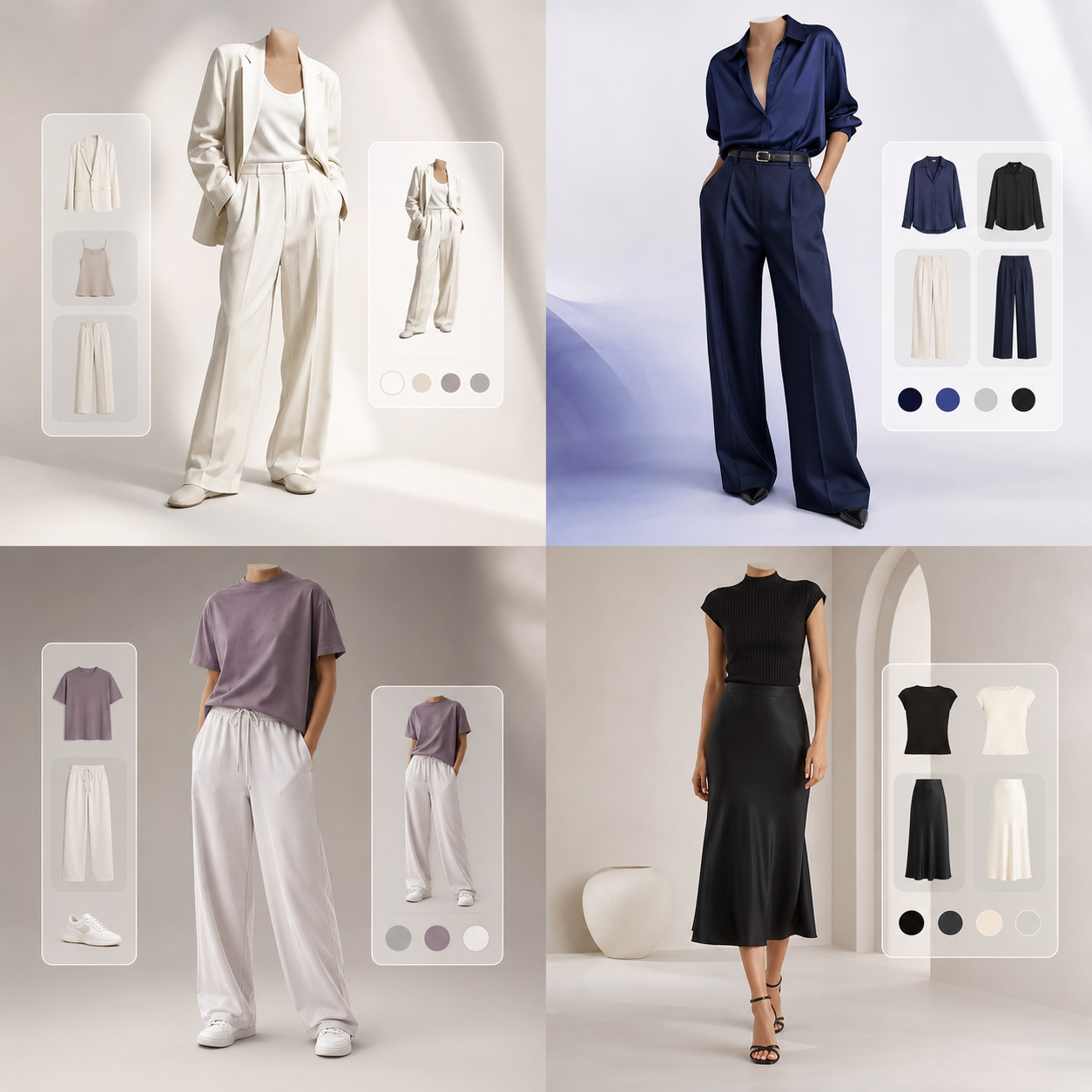
Choosing sustainable styles requires change in consumer habits. By using Try It On to plan capsule collections and test purchases virtually, shoppers build intentional closets. They choose quality over volume.
You buy fewer, high-utility pieces that coordinate with your existing garments. This visual confidence reduces retail returns, supporting a cleaner environment. It shifts fashion to a mindful lifestyle.
Digitizing wardrobe assets makes closet synergy easy to audit. Shoppers check if a new jacket coordinate with trousers in their drawers before spending money, saving credit balances and post office trips.
The Path Forward: Real-Time 3D Fitting Systems
Looking ahead, virtual fitting rooms will evolve into real-time 3D simulation engines. Shoppers will see how fabrics drape and move as they turn, verifying fit parameters dynamically. It is the ultimate digital mirror.
Ultimately, Try It On is committed to driving this sustainable retail transition, helping consumers shop with confidence and brands build clean, efficient style platforms. Digital fashion represents the path to green commerce.
By merging generative computer vision and eco-conscious shopping guidelines, we can build a retail ecosystem that honors both personal style and environmental preservation, ensuring a sustainable future.
Optimizing Your Digital Dressing Room Experience
To achieve the absolute highest fidelity when rendering clothing virtually, understanding the interaction between camera angles and neural networks is essential. Our generative AI engine maps your body coordinates by identifying 24 key joints on your portrait. Stand straight, face the camera directly, and keep your camera at eye level (about 4 to 5 feet from the ground). Posing at high or low camera angles distorts body proportions, causing the warping engine to stretch sleeves or collars unnaturally on your generated preview cards.
Textile weight and density also play a critical role in visual simulations. Heavy fabrics like denim, structured leather, and thick wool are modeled with high rigidity boundaries. This means they retain their boxy silhouette shapes. Lightweight textiles like linen, silk, and stretch knits drape loosely, wrapping around your pose curves. If you are trying on structured outerwear, wear thin, form-fitting base clothes in your reference photo. Bulky base garments distort the coordinate detection, causing subsequent layers to appear too loose.
Lighting consistency is the final element that converts simple mockups into studio-grade lookbook assets. The generative model blends ambient light from your reference photo onto the garment texture, drawing realistic shadows along creases. For best results, capture your profile photo in soft, front-facing daylight. Avoid strong backlights or colorful room lights, as these distort the color theory matching and contrast balancing. With these simple setup steps, you can build a premium digital wardrobe playground, comparing outfits side-by-side and shopping with absolute visual confidence.
Organizing your digital wardrobe is the final step toward an optimized lifestyle. By logging your favorite shirts, trousers, and outerwear as digital assets, you build a playground for coordination. Our conversational AI fashion stylist is available 24/7 to suggest outfit pairings, check color harmony, and recommend seasonal trends. Sharing styling cards with friends for feedback turns online shopping into an interactive community experience, helping you build a versatile closet.